How Much Memorial Tree Planting Costs and What You Get
Quick Summary
Memorial tree planting typically costs from about $10 for a basic donation through a federal program to several hundred dollars for a personalized, full-service planting. The exact price depends on whether the tree is planted directly or as part of a forest donation, and on the extras you choose.
- The USDA Forest Service Plant-A-Tree program accepts donations starting at $10 toward seedlings in national forests.
- The Rhode Island DEM Donation Tree Program lists $680 per tree for its 2026 season.
- Donation seedlings are planted as part of a forest ecosystem and are not marked at a specific spot.
- Ask providers whether the price covers the tree, planting labor, documentation, and ongoing care.
- Ask how planting is verified, what documentation you receive, and whether failed trees are replaced.
Table of Contents
- What Memorial Tree Planting Typically Costs
- What a Memorial Tree Purchase Usually Includes
- Where Your Payment Goes and What Families Can Verify
- Where You Can Plant a Tree in Memory of Someone
- Planning a Memorial Tree at Sunset Sanctuary: Costs, Plaques and Ongoing Care
- Choosing a Memorial Tree Service and Caring for the Tree Over Time
- Frequently Asked Questions
What Memorial Tree Planting Typically Costs
Memorial tree planting costs range from roughly $10 for a basic donation through a federal program to several hundred dollars for a personalized, full-service planting. The total depends on whether the tree is planted directly or as part of a forest donation, and on what extras you add. Sunset Sanctuary’s pricing depends on the planting site, the type of memorial, and the services you choose, so the most reliable figure comes from our pricing page or a direct quote.
Program donations at the low end
Government and nonprofit tree programs sit at the lowest price point. The USDA Forest Service’s Plant-A-Tree program minimum donation lets donors contribute as little as $10 toward seedlings planted in national forests.
Some state programs cost more. The Rhode Island Department of Environmental Management Donation Tree Program lists a fee of $680 per tree for its 2026 season, with planting offered in spring and fall.
Full-service planting and personalized options
Private memorial services generally charge more because they handle site selection, planting, and documentation. Pricing varies by provider, so compare current quotes directly.
Personalization can add to the cost, depending on the options you choose. When comparing providers, check whether a quoted price includes the tree, planting labor, documentation, and ongoing care.
The article gives concrete figures for the lower end of memorial tree planting costs.
| Program | Cost | Note |
|---|---|---|
| USDA Forest Service Plant-A-Tree | From $10 | Seedlings planted in national forests |
| Rhode Island DEM Donation Tree Program | $680 per tree | 2026 season; planting in spring and fall |
| Full-service private planting | Varies by provider | Compare current quotes directly |
What a Memorial Tree Purchase Usually Includes
Memorial tree purchases often include some form of documentation. Ask any provider which documents, cards, or plaques are included in the price.
Confirm the details before you pay. Ask whether the price covers the planting itself or only the donation, whether a specific tree is identified, and whether the provider will send updates. Some programs, including the USDA’s, do not mark individual seedlings, so a certificate may be the only record of your tribute.
Where Your Payment Goes and What Families Can Verify
A memorial tree fee is rarely a single line item. Most providers bundle several distinct costs into one price, and the share that reaches the actual planting varies widely. A transparent provider should separate these components for you:
- The tree or seedling itself. A bare-root seedling from a conservation nursery is inexpensive; a larger container-grown or balled-and-burlapped specimen can cost many times more. Species, size at planting, and whether the tree is native to the site all move this number.
- Site preparation and planting labor. Clearing, augering, staking, mulching, and watering at installation are real costs. A tree planted by volunteers in a reforestation block is cheaper to deliver than a single specimen planted by a crew at a chosen spot.
- Transport and handling. Seedlings shipped in bulk to a forest site cost far less per tree than a specimen delivered to a specific address.
Low-cost donation programs typically allocate most of each contribution to bulk seedling production and planting, while full-service memorial providers allocate a larger share to site selection, documentation, and customer service. Neither is inherently better, but you should know which model you are buying.
What proof of planting looks like
Verification is where memorial tree programs differ most, and where families are most often disappointed. Ask specifically:
- Is the planting independently verified? Some programs have planting confirmed by a partner agency, a land trust, or a third-party auditor; others rely on the provider’s own records.
- What documentation will you receive? A certificate naming the forest or site is common. A photo of the specific tree, GPS coordinates, or a planting report is less common and usually commands a higher price.
- Is the tree individually marked or identifiable? For bulk forest-restoration donations, usually no, seedlings are planted as part of a stand, not tagged for individual families. For a memorial tree at a private preserve, a plaque or mapped location may be available.
Watch out: a provider that cannot name the land where trees are planted, describe how survival is monitored, or explain what happens if a tree dies is offering you a certificate, not a verifiable memorial. Get those answers in writing before you pay.
Where You Can Plant a Tree in Memory of Someone
Memorial trees can go in several kinds of places. Public forests and government programs typically offer donation-based planting with no specific site assigned. Private conservation preserves may offer named sites where families can visit.
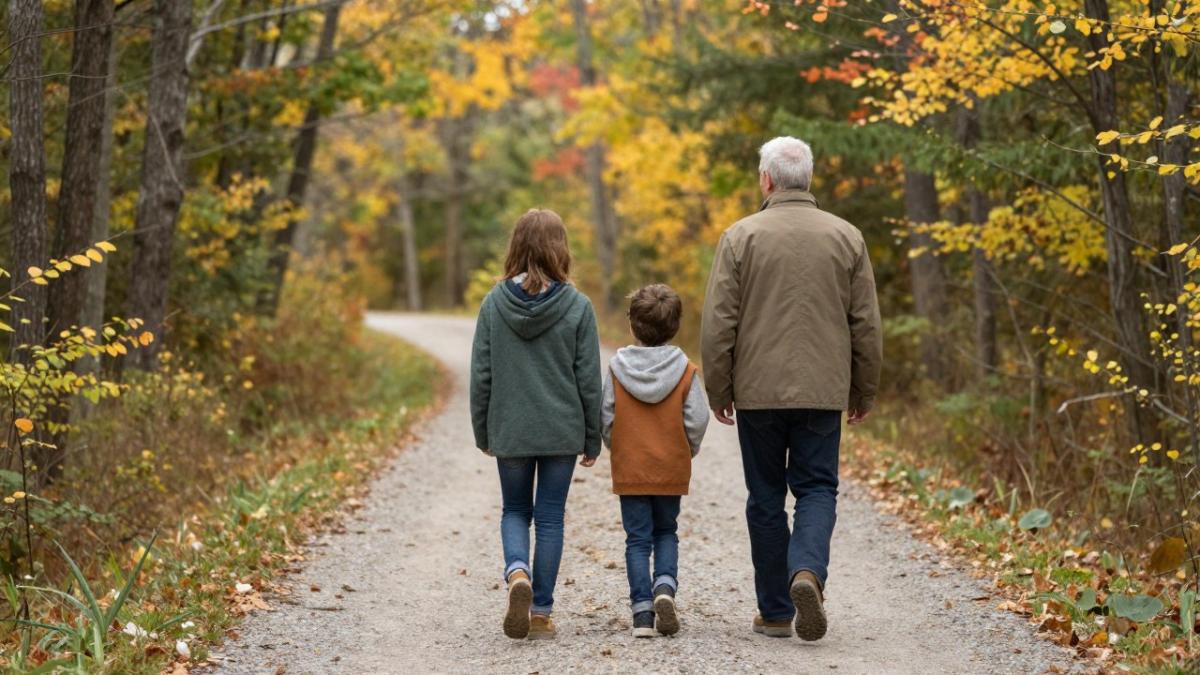
Choose the location with visiting in mind. Consider how far you will travel, what season the site is most attractive in, and whether the land is open to the public.
Planning a Memorial Tree at Sunset Sanctuary: Costs, Plaques and Ongoing Care
Sunset Sanctuary sits on a 135-acre nature preserve in Farmington, with over 80 acres of forest, 20 acres of wildflowers, and a tranquil pond. Pricing depends on the site, the memorial type, and the services you choose, so check our [page] for current options or contact us for a quote. Explore the remembrance trees at Sunset Sanctuary to see the planting options available.
Ask our team about plaque options when you enquire.
Choosing a Memorial Tree Service and Caring for the Tree Over Time
The most useful comparison is not between providers’ headline prices but between the two fundamentally different products on the market: a tree planted directly at a chosen location, and a donation that supports a broader forest-restoration project. They cost different amounts, deliver different experiences, and set different expectations.
Direct planting versus forest-restoration donations
A direct planting, a memorial tree at a private preserve or a chosen location, can give you a specific tree at a known location that you can visit. The trade-offs are higher cost (site selection, specimen-sized stock, planting labor, and often a plaque fee) and the need to confirm who owns and maintains the land long term.
A forest-restoration donation, through a government program, a land trust, or a conservation nonprofit, puts your contribution toward seedlings planted as part of a larger reforestation or habitat project.
Long-term care, ownership, and access
Before you choose, get clear answers on four questions:
- Who owns the land? Public forest, conservation preserve, cemetery, or private property each carry different protections. A conservation easement or land-trust ownership generally offers stronger long-term protection than private land that could be sold or developed.
- Who maintains the tree? At a staffed preserve, maintenance is handled for you. At a donation site, maintenance is typically part of the broader forest management program, not individualized care for your tree.
- Can you visit, and is the site open to the public? Confirm access hours, whether the site is reachable in all seasons, and whether a specific tree can be located on a return visit.
Regional and species-specific pricing factors
Beyond the base donation or planting fee, several local factors move the final cost:
- Native versus ornamental species. Native stock suited to the site is usually cheaper and more likely to survive; ornamental or specimen trees cost more and may require more care.
- Tree size at planting. A seedling is inexpensive; a caliper-sized specimen tree can cost hundreds of dollars before planting labor.
- Site preparation and permits. Planting on public land or in a regulated area may require a permit, and difficult sites (slope, poor soil, irrigation needs) add labor.
- Season and scheduling. Spring and fall planting windows are standard; off-season installation or expedited scheduling can carry a premium.
Alternatives and complementary options
A memorial tree is one option among several. Families sometimes pair a tree donation with a bench, a memorial plaque, or a dedicated garden bed, or choose a memorial grove when a single tree feels too small a tribute.
Ready to plan a memorial that lasts? Contact Sunset Sanctuary to ask about planting options and current pricing for a tree that will grow for years to come.
Frequently Asked Questions
How much does it cost to plant a tree for a deceased person?
Costs depend on the program, the tree species and whether you want full-service planting. Some government and nonprofit programs offer low-cost donations, while others charge more. Donations toward forest restoration usually sit at the low end of the range. Personalized, locally planted options cost more. For Sunset Sanctuary’s current prices, contact the team directly, since pricing depends on the option you choose.
Is memorial tree planting legitimate?
Memorial tree planting is a legitimate practice offered by government programs, nonprofits and private preserves. The key question is what you are paying for. The USDA Forest Service states that seedlings funded through its Plant-A-Tree donations become part of the forest ecosystem and are not individually marked as memorials on the ground. Ask any provider how the tree is planted, where it is planted and what documentation you will receive.
Can you plant a memorial tree with a plaque?
Sometimes. Plaque placement depends on the planting location and the rules of the program or property. Before you order, confirm whether a plaque is included, whether it is allowed at the planting site and who maintains it over the years.
How can you verify that a memorial tree was actually planted?
Ask the provider what proof of planting it offers, such as a planting date, GPS location, species name or photos of the planted tree. Check whether the program is run by a government agency, a registered nonprofit or a private business, and ask how survival is tracked. Reputable programs can describe their planting records in plain terms and will tell you if a tree is a forest-restoration donation rather than a single marked tree.
