Natural vs Traditional Burial: Pros and Cons
Last Updated: November 24, 2026
Quick Summary
Natural burial returns the body to the earth without embalming, a sealed casket, or a concrete vault, relying on natural breakdown in soil. Traditional burial typically involves embalming, a hardwood or metal casket, and a grave liner that slow decomposition. The main trade-off is a lower environmental footprint against easier access to established cemeteries.
- Natural burial skips embalming, sealed caskets, and concrete burial vaults entirely.
- Natural burial often uses a shroud or biodegradable container instead of a sealed casket.
- Natural burial cemetery rules vary, so finding a suitable site can take more planning.
- Traditional burial offers established cemeteries in most communities and permanent, marked graves.
- Green burial cost depends on chosen services and merchandise, so ask for an itemized price list.
Table of Contents
- What Is the Difference Between Natural Burial and Traditional Burial?
- How Much Does a Green Burial Cost Compared With a Traditional Burial?
- Types of Green Burials and Who Each One Suits
- Frequently Asked Questions
What Is the Difference Between Natural Burial and Traditional Burial?
Natural burial is the practice of returning a body to the earth without embalming, a sealed casket, or a concrete burial vault. Traditional burial typically involves embalming, a hardwood or metal casket, and a grave liner. The core difference comes down to what the body and container are made of and how much the ground is asked to hold.
Natural burial relies on the body breaking down naturally in soil. Families usually choose a simple shroud or a biodegradable container instead of a sealed casket. Traditional burial is designed to slow decomposition, which is why embalming and vaults are common.
The pros of natural burial include a lower environmental footprint, fewer chemicals entering the ground, and a simple, personal ceremony. Many families also value a setting where the grave becomes part of a living landscape.
The cons of natural burial are real. Cemetery rules vary, so finding a suitable site can take more planning. The Green Burial Council notes that cemetery-specific rules can make it hard to find a natural-burial cemetery at all (Green Burial Council FAQ on cemetery rules and green funeral planning).
The pros of traditional burial include familiar rituals, established cemeteries in most communities, and more time for visitation and a formal service. Traditional burial also offers permanent, marked graves that many families find reassuring.
The cons of traditional burial include higher costs, chemicals such as embalming fluid, and materials like steel and concrete that do not break down. Families who want a gentler footprint often find these trade-offs hard to accept.
The article contrasts the two approaches on a few core points.
| Aspect | Natural burial | Traditional burial |
|---|---|---|
| Body preparation | No embalming | Typically embalmed |
| Container | Shroud or biodegradable container | Hardwood or metal casket |
| Grave lining | No concrete vault | Grave liner or vault |
| Main footprint concern | Fewer chemicals, natural breakdown | Chemicals, steel and concrete |
| Site availability | Rules vary, harder to find | Established cemeteries in most communities |
How Much Does a Green Burial Cost Compared With a Traditional Burial?
Green burial is not always cheaper. Costs depend on the services, merchandise, and provider policies you choose. SevenPonds notes that a green funeral may cost less, the same, or more than a conventional one, depending on those selections (SevenPonds guide to choosing green or natural burial before death).
We recommend asking every provider for an itemized price list before you decide.
Pricing for Sunset Sanctuary depends on the option you select. Please visit our website or contact us directly for current prices and a personalized quote.
Types of Green Burials and Who Each One Suits
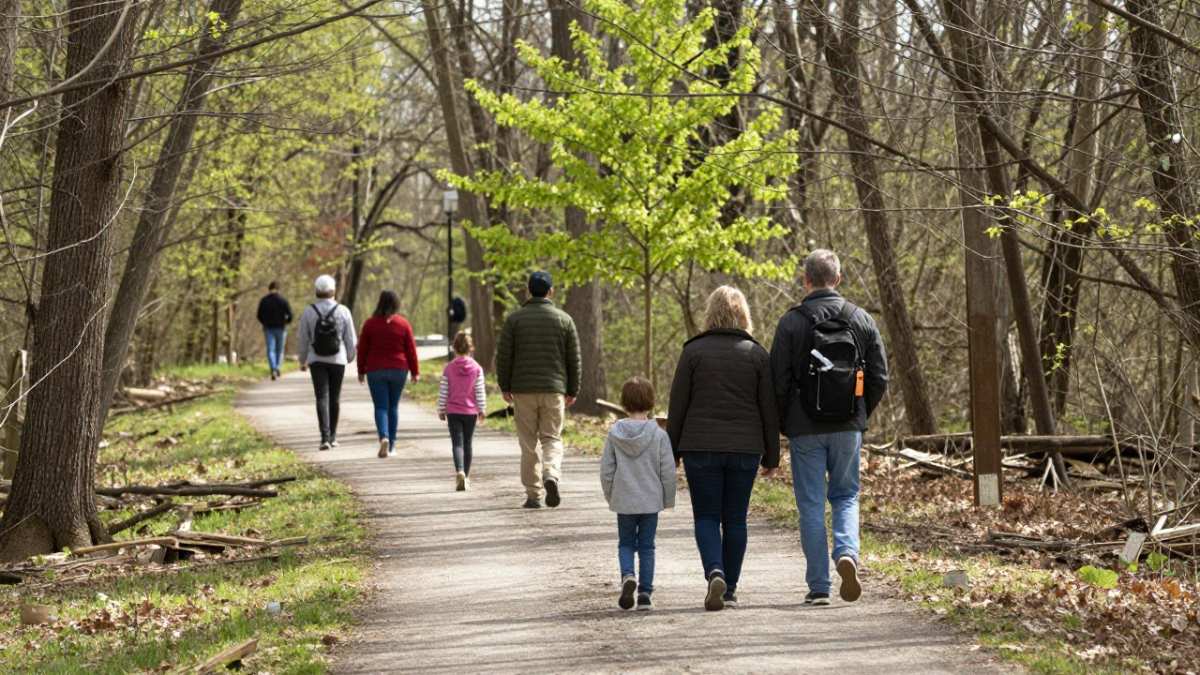
Natural burial takes several forms, and each suits a different family. Some people prefer a simple shroud in a natural burial ground. Others want a biodegradable casket or a memorial tree planting. A family that values a living, visitable memorial may choose a memorial tree planting, where one tree can hold up to five sets of ashes.
Planning the right type early helps families avoid rushed decisions. A helpful starting point is to record your wishes now so your family does not have to guess later.
For most families, the best choice is the option that fits the person’s wishes, the family’s timing, and the budget.
Frequently Asked Questions
Is natural burial cheaper than traditional burial?
It can be, but not always. Green funerals may cost less, the same, or more than conventional funerals, depending on the services and merchandise chosen. Traditional burial costs often include embalming, a casket and a burial vault, while natural burial typically skips embalming and sealed containers. Cemetery plot fees, cemetery rules and any memorial you add can still change the total. Compare itemized quotes from each provider, and check current pricing directly with Sunset Sanctuary.
Are natural burials legal?
Yes, natural burial is legal in the United States, but the rules are set at the state and local level. Some jurisdictions require a licensed cemetery or specific container standards, and others regulate where burial can take place. Before choosing a site, confirm the requirements for your county and state, and ask the provider how they handle permits and paperwork.
What is the difference between natural burial and green burial?
The terms are often used interchangeably. Both generally mean burial without embalming, using biodegradable materials such as wood, cotton shrouds or untreated containers, so the body returns to the soil. Some providers use green burial to describe the full set of environmental practices, while natural burial may refer more narrowly to the burial ground’s conservation goals. Ask each provider what its terms mean in practice.
